Key Takeaways:
- Sleep apnea is a condition where breathing repeatedly stops during sleep.
- It can lead to poor rest and daily fatigue.
- Sleep apnea can affect anyone, but the risk is higher in people with excess weight, aging factors, or certain lifestyle and genetic influences.
- Early signs often show up as loud snoring, breathing pauses, daytime tiredness, and difficulty focusing.
- With proper diagnosis and treatment, sleep apnea can be effectively managed.
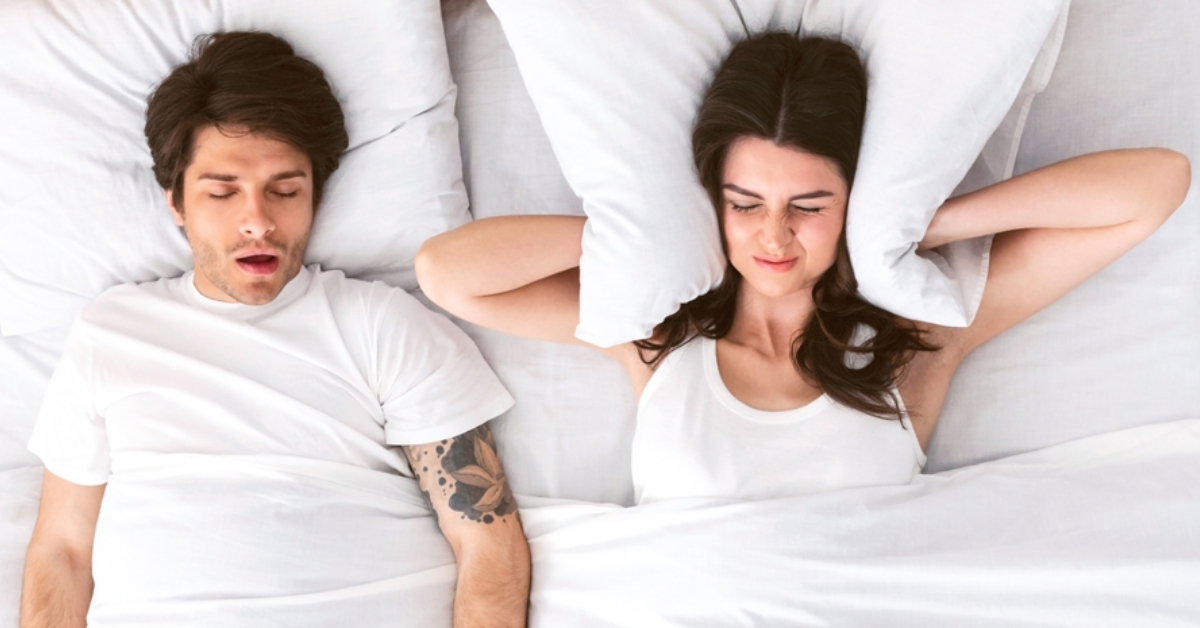
You wake up with a dull headache, drag yourself through the morning, and by early afternoon, you are already fighting to stay focused. Your partner mentions that you were snoring loudly. Maybe they even nudged you in the night because you stopped breathing for a moment.
That is not just tiredness. That is your body sending a signal.
Sleep apnea is one of the most common and most underdiagnosed sleep disorders. Millions of people live with it for years without ever knowing, because they mistake the signs for stress, aging, or just being a light sleeper.
If any of that sounds familiar, you are in the right place. This blog walks you through everything: what sleep apnea is, how to recognize it, what it does to your health over time, and what you can do about it.
What Is Sleep Apnea?
Sleep apnea is a condition where your breathing repeatedly stops and starts while you sleep. These pauses (called apneas) can last anywhere from a few seconds to over a minute. In addition, they can happen dozens or even hundreds of times a night.
Here is what makes it more serious than most people realize. Every time your breathing stops, your oxygen levels drop. Your brain detects the issue and gently wakes your body just enough to restart breathing. You usually don’t wake up completely, but your sleep becomes repeatedly interrupted, which prevents your body from getting proper rest.
The result? You spend hours in bed but never actually recover.
Furthermore, it is also important to understand that sleep apnea is not the same as simple snoring. Snoring can be harmless in many cases. However, sleep apnea goes deeper, as it repeatedly disrupts the natural sleep cycle, especially the deep, restorative stages your brain and body need to fully recover and function properly.
Different Types of Sleep Apnea You Must Know
Each type of sleep apnea affects breathing differently and may require a different approach to diagnosis and treatment.
1: Obstructive Sleep Apnea (OSA)
This is the most common type of sleep apnea. During sleep, the muscles at the back of your throat relax too much, which causes your airway to narrow or collapse entirely. Breathing stops, and the brain briefly wakes you just enough to reopen the airway, and the cycle repeats.
In fact, obstructive sleep apnea (OSA) is estimated to affect nearly 1 billion adults worldwide. It is also more common in men than in women, although the risk increases for everyone with age and certain health factors.
2: Central Sleep Apnea (CSA)
Central sleep apnea works differently. Here, the airway is not blocked. Instead, the brain simply fails to send the right signal to the muscles that control breathing.
There is no physical blockage in the airway, and the person does not struggle to breathe. Instead, the brain briefly fails to send the signals needed to maintain normal breathing, which causes short pauses.
Because snoring is often absent, central sleep apnea can be harder to recognize. It is commonly associated with heart conditions, neurological disorders, or the use of certain medications.
3: Complex Sleep Apnea
Some patients experience both obstructive and central patterns simultaneously. This is known as complex sleep apnea, and it can sometimes develop after starting CPAP therapy, which is why specialist follow-up matters.
Knowing which type you have is not a minor detail. It is the foundation of the right treatment plan.
Sleep Apnea Symptoms You Should Not Ignore
One of the reasons sleep apnea goes undiagnosed for so long is that the signs of sleep apnea are often easy to misread. Feeling tired gets blamed on a busy schedule. Morning headaches get chalked up to dehydration. Mood changes get attributed to stress. However, when these signs appear together consistently, they point toward something more specific.
What Happens at Night
- Loud, persistent snoring that does not change with position.
- Noticeable pauses in breathing, often reported by a bed partner.
- Gasping or choking sounds during sleep.
- Restless sleep, frequent tossing and shifting.
- Waking up with a dry mouth or sore throat.
- Night sweats that are not temperature-related.
How It Shows Up During the Day
What you experience at night is only half of what’s going on. For many people, it is the daytime experience that finally pushes them toward a diagnosis.
- Waking up feeling unrefreshed, even after a full night’s sleep.
- Persistent morning headaches, especially across the forehead.
- Brain fog and forgetting things mid-task.
- Irritability or emotional flatness that feels hard to explain.
- Excessive daytime sleepiness, dozing during meetings, while reading, or even driving.
Ask yourself: Are you getting through the day on willpower rather than real energy? If that feels familiar, it may be worth looking more closely at your sleep.
Risk Factors of Sleep Apnea
Sleep apnea usually develops due to a mix of physical, lifestyle, and health-related factors that affect how easily the airway stays open during sleep.
Obesity
One of the strongest risk factors is excess weight, especially around the neck and upper body. This is why obesity and sleep apnea are closely linked. Extra tissue can put pressure on the airway, which makes it more likely to collapse during sleep.
At the same time, the relationship between sleep apnea and weight gain can work both ways. Poor sleep can disrupt hormones that control appetite and metabolism, which may contribute to gradual weight gain over time.
Age-related changes
As people get older, airway muscles naturally lose tone. This makes breathing interruptions more likely during sleep.
Airway structure
A naturally narrow airway, enlarged tonsils, or jaw structure differences can also increase risk, even in people without weight-related concerns.
Gender differences
Men are more likely to develop sleep apnea, although the risk also increases in women after menopause due to hormonal changes.
Family history
Genetics can play a role. If sleep apnea runs in the family, the risk may be higher due to inherited airway or facial structure.
Lifestyle factors
Smoking can inflame and narrow the airway, while alcohol relaxes throat muscles too much during sleep, increasing breathing interruptions.
How Is Sleep Apnea Diagnosed?
A lot of people sit with symptoms for years before seeking a diagnosis, partly because they do not know how straightforward the testing process actually is. Sleep apnea cannot be confirmed by symptoms alone, but getting tested is far less complicated than most people expect.
In-Lab Sleep Study (Polysomnography)
The in-lab sleep study is considered the gold standard for diagnosis. You spend a night at a sleep facility, where sensors monitor your brain activity, breathing patterns, oxygen levels, heart rate, and body movement, all simultaneously.
This level of detail is particularly important for complex cases, suspected central sleep apnea, or patients with other underlying conditions. It gives clinicians a complete picture of what is happening across every stage of sleep.
Home Sleep Apnea Test
For straightforward cases of suspected obstructive sleep apnea, a home test is a practical and increasingly common first step. A compact device, worn overnight at home, measures your breathing, airflow, and blood oxygen levels.
It is more accessible, more comfortable for many patients, and significantly more affordable. However, it does have limitations. A home test will not capture brain activity or sleep staging, which means it cannot fully rule out central sleep apnea or provide the nuanced data a lab study offers.
Sleep Apnea Test vs. In-Lab Sleep Study: How to Choose the Right One?
In simple terms, the right test depends on how complex your symptoms are.
| Home Sleep Apnea Test | In-Lab Sleep Study |
|---|---|
| Done at home | Done in a sleep clinic |
| Simple and convenient | Comprehensive and detailed |
| Measures breathing & oxygen levels | Tracks breathing, oxygen, brain activity, and sleep stages |
| Best for suspected mild to moderate cases | Best for complex or unclear symptoms |
| More affordable | More expensive but more accurate |
The choice between a home sleep test and an in-lab sleep study depends on the complexity of your symptoms and the level of detail needed for an accurate diagnosis.
What Happens to Your Health If Sleep Apnea Goes Untreated?
If sleep apnea is left untreated, it can affect much more than sleep quality. Over time, repeated drops in oxygen and broken sleep cycles place stress on the body and overall health.
It can increase the risk of high blood pressure, heart disease, and stroke, while also impacting brain function, leading to poor focus, memory issues, and constant fatigue. Also, many people experience mood changes, low energy, and reduced productivity during the day.
In some cases, untreated sleep apnea can also contribute to weight gain and metabolic imbalance, which makes overall health management more difficult.
Most importantly, ongoing daytime sleepiness can increase the risk of accidents, especially while driving or performing tasks that require full attention.
How Is Sleep Apnea Treated?
Sleep apnea treatment depends on how severe the condition is and what is causing it. The main goal is to keep the airway open during sleep so breathing remains steady and oxygen levels stay stable throughout the night.
-
CPAP therapy (Continuous Positive Airway Pressure):
Delivers a steady flow of air through a mask to keep the airway open. Highly effective, but some people need time to adjust.
-
Oral appliance therapy:
A custom-made device that repositions the jaw to improve airflow. Often used for mild to moderate cases or when CPAP is not tolerated.
-
Lifestyle changes:
Weight management, sleeping on your side, and avoiding alcohol before bed can help reduce symptoms.
-
Advanced or combined approaches:
In more complex cases, doctors may recommend a combination of treatments or further evaluation to find the most effective solution.
Choosing between an oral appliance and CPAP depends on the severity of sleep apnea, individual comfort, and how well a person can tolerate each option
How Sound Sleep Supports Better Sleep
Getting the right kind of sleep support can make a real difference in how you feel every day.
At Sound Sleep, we offer at-home sleep studies for convenient diagnosis and custom oral appliances designed to keep the airway open for more comfortable treatment. For patients who find CPAP difficult to use, CPAP alternatives are also available, providing a more flexible and manageable approach to care.
If you are experiencing symptoms of sleep apnea, taking the first step toward proper evaluation can help you sleep better and improve your overall health.
Conclusion
Sleep Apnea is a common but often undiagnosed sleep disorder that affects breathing during sleep and reduces sleep quality. Over time, it can impact energy levels, focus, and overall health.
The condition varies in severity, but with proper testing and diagnosis, it can be effectively managed. Therefore, understanding the symptoms early and seeking appropriate evaluation is the most important step. Ultimately, better sleep begins with awareness, and awareness begins with recognizing the signs your body may already be showing.
If you or someone you know is experiencing symptoms of sleep apnea, you can reach out to Sound Sleep for support. You explore the right testing and treatment options to improve sleep and overall health.