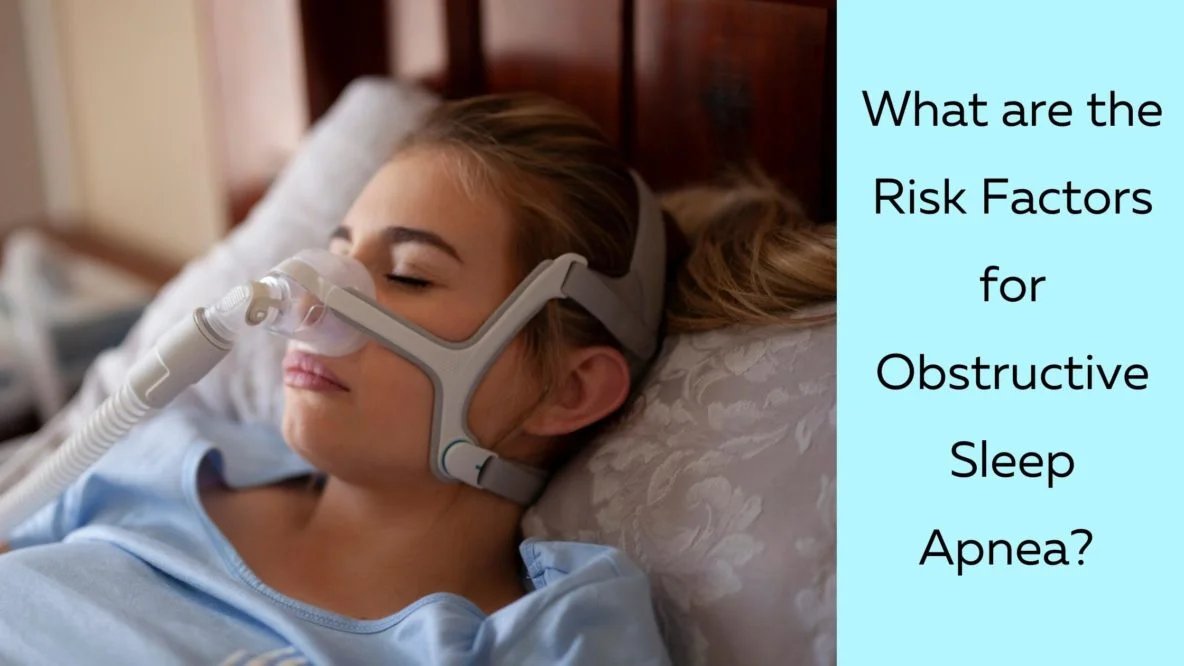
Sleep apnea is a common sleep disorder that makes breathing difficult during the night. People of all ages can have sleep apnea, though it is more common in adults and older adults. Obstructive Sleep Apnea (OSA) can be influenced by lifestyle factors or hereditary traits.
What is Obstructive Sleep Apnea?
OSA is a serious sleep disorder where your breathing repeatedly stops while you sleep. This occurs because the muscles in your upper airway, throat, or tongue become overly relaxed and can block the airway. Breathing may be cut off for up to 10 seconds before reflexes restore airflow. You may wake suddenly, gasping or choking, or only briefly without remembering it.
Sleep apnea severity can vary:
- Mild: Breathing stops or becomes shallow 5–15 times per hour, affecting oxygen flow.
- Moderate: Breathing stops 15–30 times per hour.
- Severe: Breathing stops more than 30 times per hour.
It’s possible to have sleep apnea without realizing it. You may fall asleep immediately after waking or not notice interrupted breathing at night.
Signs of Sleep Apnea
Common signs include:
- Heavy snoring throughout the night
- Mood swings such as irritability or sadness
- Nighttime sweating
- Daytime drowsiness or excessive fatigue
- Waking with a headache
- Dry mouth or sore throat in the morning
- Difficulty focusing or concentrating
- Decreased libido
Risk Factors for Sleep Apnea
OSA can affect anyone, but the following increase your risk:
- Age: Older adults are at higher risk than younger adults or children.
- Gender: Men are nearly twice as likely as women to develop sleep apnea.
- Obesity: Extra fat around the neck can block the airway; about two-thirds of OSA patients are overweight.
- Heredity: Family history of OSA or snoring increases your risk.
- Large tonsils or thick neck circumference: These can narrow the airway.
- Narrow airway: Naturally narrow airways increase the chance of obstruction during sleep.
- Nasal congestion: Allergies or chronic congestion can increase risk.
- Alcohol consumption: Alcohol relaxes throat muscles, increasing airway obstruction at night.
- Smoking: Irritates throat lining, causes inflammation, and can reduce airway size.
- Medical conditions: Heart disease, high blood pressure, asthma, and diabetes can raise OSA risk.
Sound Sleep Medical
If you experience daytime fatigue and notice any of these risk factors or signs of OSA, contact us today. Sound Sleep Medical can help identify the cause of your sleep issues and provide effective treatment options, from improving sleep hygiene to using a continuous positive airway pressure (CPAP) machine at night.