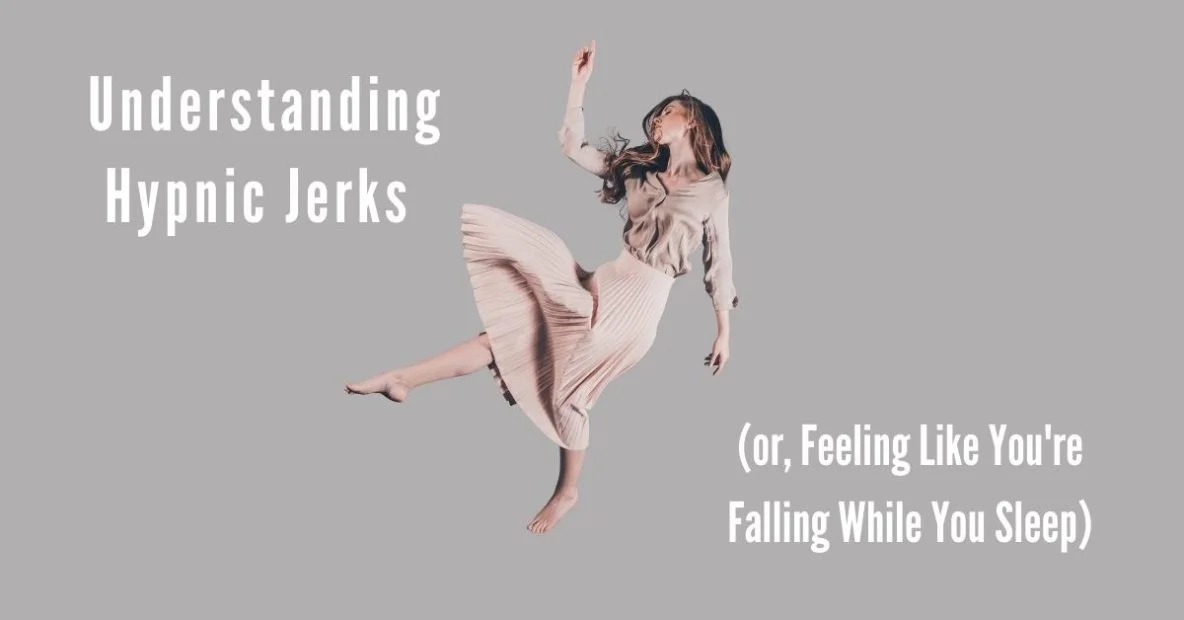
Have you ever woken up just as you were about to fall asleep, with a sudden jerk or the feeling of falling? This is called hypnic jerks, also known as hypnagogic jerks or sleep starts. Hypnic jerks are very common and are not considered a serious disorder.
What Are Hypnic Jerks?
Hypnic jerks are involuntary muscle contractions that usually occur as you’re drifting off to sleep. This sudden jolt can startle you awake during the transition between wakefulness and sleep. Research suggests that around 70% of people experience hypnic jerks at some point. Other names for this phenomenon include night starts and sleep twitches.
Signs of Hypnic Jerks
Hypnic jerks vary from person to person. Some may briefly wake up, while others fall asleep despite the jolt. Common signs include:
- A sudden jerk or contraction in a muscle, often the leg
- A sensation of falling
- Dreams in which you fall or are startled
- Increased heart rate upon waking
- Shallow breathing as you wake
If you’ve noticed these, you’ve experienced hypnic jerks!
What Causes Hypnic Jerks?
While the exact cause isn’t fully understood, hypnic jerks are a normal bodily reaction. Certain factors can make them more noticeable or frequent:
- Stimulants: Caffeine, nicotine, and alcohol can increase restlessness and make hypnic jerks more likely.
- Anxiety: Stress and anxiety can keep your mind active as your body falls asleep, triggering hypnic jerks.
- Evening exercise: Exercising too close to bedtime may keep your body too active to relax, causing hypnic jerks.
- Poor sleep hygiene: Inconsistent sleep schedules, bright lights, and not winding down before bed can contribute to hypnic jerks.
How to Reduce Hypnic Jerks
Hypnic jerks are harmless, but if they make falling asleep difficult or cause anxiety, you can try:
- Limit caffeine: Avoid caffeinated drinks after lunch to reduce restlessness at night.
- Establish a nighttime routine: Develop a consistent routine that includes turning off screens, dimming lights, and relaxing activities such as reading or breathing exercises.
- Exercise earlier: Schedule workouts in the morning or early afternoon so your body has time to wind down before sleep.
Sound Sleep Medical
If hypnic jerks or sleep disturbances are affecting your rest, making changes to your sleep habits can help you sleep more soundly. For more tips on evening relaxation, establishing a sleep routine, or guidance on sleep disorders, visit Sound Sleep Medical and speak with our sleep experts to improve your nightly rest.