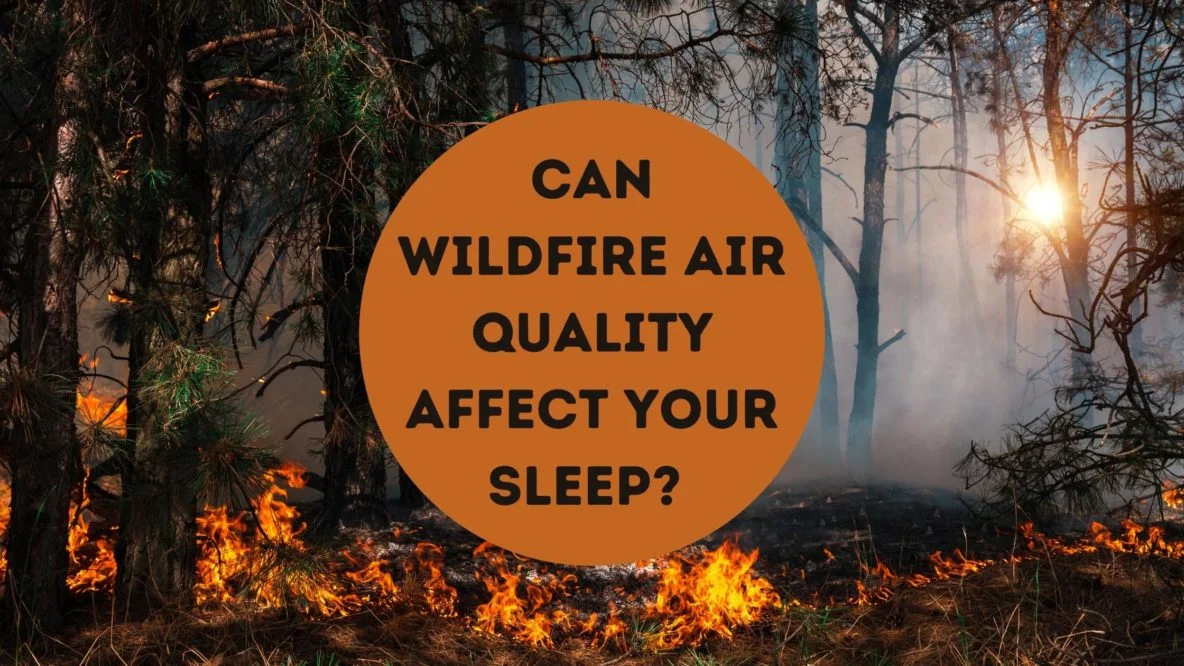
It’s wildfire season, and air quality across the country is taking a hit. This year, smoke and ash are not only affecting areas with active fires but are also being carried by high winds from other states and even Canada. If you’re in a wildfire-affected area, protecting your home and property is critical—but your sleep may also be impacted.
What Makes Wildfire Smoke So Dangerous?
Wildfire smoke contains harmful elements such as:
- Particulate matter
- Hydrocarbons
- Ultrafine particles
- Airborne chemicals, including carbon dioxide and black carbon
These pollutants can irritate your throat and lungs, cause nasal congestion, and make your eyes sting or water. Even if you’re hundreds of miles away from a wildfire, inhaling smoke can threaten your health and interfere with your sleep.
Who Has the Highest Risk?
The CDC identifies those at higher risk from wildfire smoke, including:
- People with preexisting lung or heart conditions
- Older adults
- Pregnant women
- Young children
Signs of Smoke Inhalation
Check the Air Quality Index and local alerts if wildfires are near. Common symptoms of smoke inhalation include:
- Difficulty breathing
- Burning or watering eyes
- Chest pain
- Fatigue or muscle aches
High air pollution can also mimic cold or allergy symptoms, including sore throat, cough, headache, nausea, and even affect mood, causing anxiety or depression.
Wildfire Smoke and Your Sleep
Wildfire smoke drastically increases air pollution, which can damage your airways and lungs and even impact the central nervous system over time. Protect your home and improve sleep by:
- Keeping windows closed and turning off ventilation systems that pull in unfiltered outside air
- Ensuring doors and windows are properly sealed
- Using an air filtration system to remove pollutants from indoor air
- Staying indoors with children and pets
Tips to Sleep Better
Stress from wildfires can make sleep difficult. Prioritize rest to stay prepared for emergencies. Try these steps:
- Take time to destress before bed, such as reading, taking a bath, listening to meditation, or doing breathing exercises
- Keep your bedroom for sleeping only—avoid phones, news, or social media in bed
- If you can’t sleep, get up for a relaxing activity and return to bed when tired
Sound Sleep Medical
Poor air quality and stress can significantly impact health and sleep. Monitor yourself and your loved ones, keep indoor air clean, and limit outdoor exposure. Seek medical care immediately if you experience shortness of breath.
Having trouble sleeping? Visit Sound Sleep Medical to discover ways to get a good night’s sleep every night.