Do you snore in your sleep? Maybe you wake up with a very dry mouth, or wake up in the middle of the night gasping for air. You may have obstructive sleep apnea that’s affecting your sleep.
There are a few things that can increase your risk of developing sleep apnea. If you’re over 40, you have a higher risk of sleep apnea. Being overweight can also contribute to sleep apnea, as well as hereditary factors like the shape of your neck and throat. Smoking and alcohol consumption can also increase your risk.
What Happens with Obstructive Sleep Apnea?
Obstructive sleep apnea is a disorder that affects your breathing at night. When you sleep, all the muscles in your body relax. But if you have sleep apnea, the muscles in your airway narrow more than they should. When they narrow, you may snore loudly and disrupt your partner. If your airway becomes blocked, you may stop breathing briefly. This causes you to wake up many times during the night to tighten the muscles and restart the flow of air through your lungs.
Alcohol and Sleep
At first glance, alcohol might seem to improve sleep. It can help you fall asleep quickly. However, falling asleep fast isn’t a sign of a good night’s sleep.
Drinking alcohol can disrupt your sleep cycles and decrease the amount of time you spend in REM sleep and deep sleep. Even if you’ve been sleeping for 7 to 9 hours, you may wake up feeling tired. You’ll spend more time in light sleep, wake up more often, and miss out on truly restorative rest.
A Link Between Alcohol and Obstructive Sleep Apnea
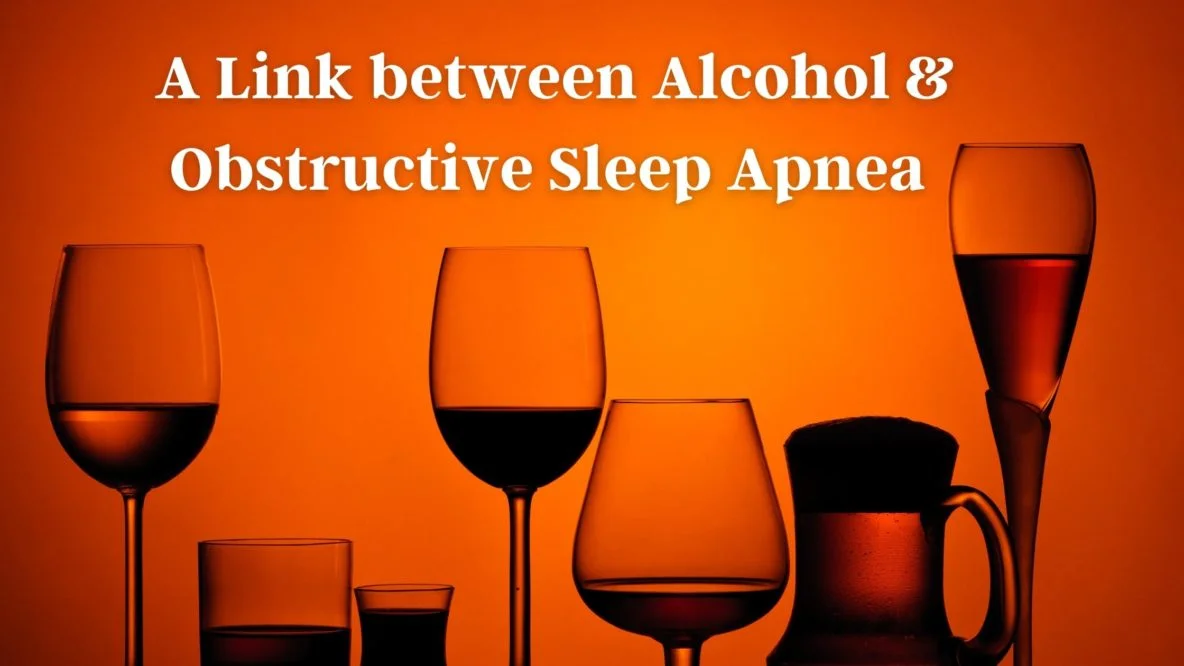
Excessive alcohol consumption is linked to obstructive sleep apnea. Alcohol can have a significant impact on your nightly breathing patterns. It can increase snoring and lead to disrupted breathing. For many people, alcohol slows breathing and makes it more shallow. As the muscles in your throat relax and less air passes through your lungs, your airway could close or even collapse.
For those with an alcohol use disorder, drinking in the evening further relaxes the muscles in the neck and throat. When these muscles relax, the airway is more likely to collapse, leading to sleep apnea and restless nights.
Even if you don’t have a drinking disorder, moderate or heavy drinking can trigger episodes of sleep apnea. For example, after one night of drinking, you’re more likely to snore or wake up multiple times during the night.
For anyone with sleep apnea, alcohol consumption can make the condition worse on the nights they drink and leave you feeling even more exhausted in the morning. A night of poor sleep due to obstructive sleep apnea may cause a drop in blood oxygen levels and a rise in carbon dioxide in the body.
Should You Drink?
Knowing that alcohol can affect your sleep, should you drink? If you have obstructive sleep apnea, it’s best to reduce alcohol consumption since it can worsen your symptoms. We recommend finishing your last drink at least a couple of hours before bed and always using your prescribed sleep apnea treatment at night.
If you don’t have sleep apnea, drinking in moderation is usually fine. It’s still a good idea to have your last drink at least a couple of hours before bedtime so alcohol doesn’t interfere with your sleep quality. Keep in mind that alcohol can lead to a poor night’s sleep with or without sleep apnea.
Sound Sleep Medical
Do you think you may have sleep apnea? Some common signs of obstructive sleep apnea include:
- Waking up with a very dry mouth
- Waking up with a sore throat
- Having frequent morning headaches
- Struggling to concentrate during the day
- Feeling extremely sleepy during the day
If these symptoms sound familiar, visit Sound Sleep Medical. Our team of sleep specialists can help you get to the bottom of your sleepless nights and help you get the rest you need. Whether you need sleep apnea treatment or could benefit from improving your sleep hygiene, we’ll help you get the sleep you need every night.