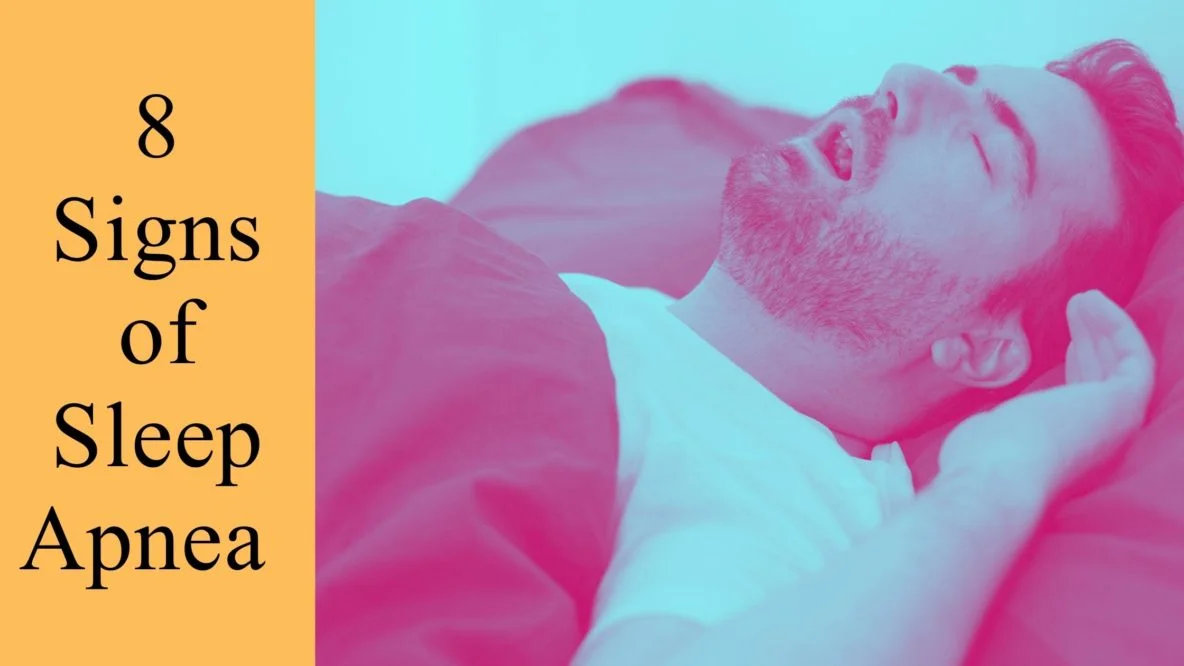
Sleep apnea is more common than you might think. It affects adults of all ages and can even occur in children and teens. Sleep apnea is a disorder that repeatedly stops your breathing during the night. This can lead to grogginess, daytime fatigue, poor concentration, and more serious health issues like heart disease or increased risk of a heart attack or stroke. Here are some key signs of sleep apnea.
1. Snoring
Does your partner complain about your snoring or lie awake listening to it? This can be a sign of sleep apnea. Ask your partner if your snores suddenly stop or restart abruptly — these patterns are strong indicators of the condition.
2. Waking Up Gasping for Air
Sleep apnea disrupts breathing. When the muscles at the back of your throat relax too much, they can block your airway. This may cause your breathing to stop completely, waking you up gasping or feeling like you’re choking. Shortness of breath during the night is a common sign of sleep apnea.
3. Morning Dry Mouth
Waking up with a dry mouth or sore throat is common for those with sleep apnea due to frequent nighttime snoring and disrupted breathing.
4. Morning Headache and Fatigue
Frequent awakenings during the night can cause headaches and leave you feeling exhausted in the morning.
5. Hypersomnia
Excessive daytime sleepiness, known as hypersomnia, can indicate sleep apnea. If your sleep is consistently interrupted at night, you may feel unusually tired during the day.
6. Poor Concentration
Lack of quality sleep can reduce attention span, impair memory, and make it difficult to focus, which are common effects of sleep apnea.
7. Mood Swings
Frequent irritability, sadness, or other mood changes can result from poor sleep. Sleep apnea often contributes to these emotional fluctuations.
8. Sleep Apnea Risk Factors
Some factors increase the likelihood of developing sleep apnea:
- Being overweight: Fat around the neck or airway can block airflow at night.
- Excessive alcohol consumption: Alcohol relaxes throat muscles, increasing the risk of airway obstruction.
- Smoking: Inflammation from smoking can narrow the airway and worsen sleep apnea.
- Narrow airway: Some people inherit a naturally narrow airway.
- Allergies: Conditions that cause nasal congestion can increase sleep apnea risk.
- Being male: Men are more likely to develop sleep apnea than women.
- Age: Older adults are at higher risk than younger adults.
Addressing Your Sleep Apnea
If you notice several of these signs, you may have sleep apnea. Visit Sound Sleep Medical to discuss your symptoms and learn more about treatment options. Untreated sleep apnea can worsen over time, leading to persistent fatigue and disrupted sleep.
Effective treatments include improving sleep hygiene and using a continuous positive airway pressure (CPAP) machine. Schedule a visit today to start getting the restful sleep you deserve every night.