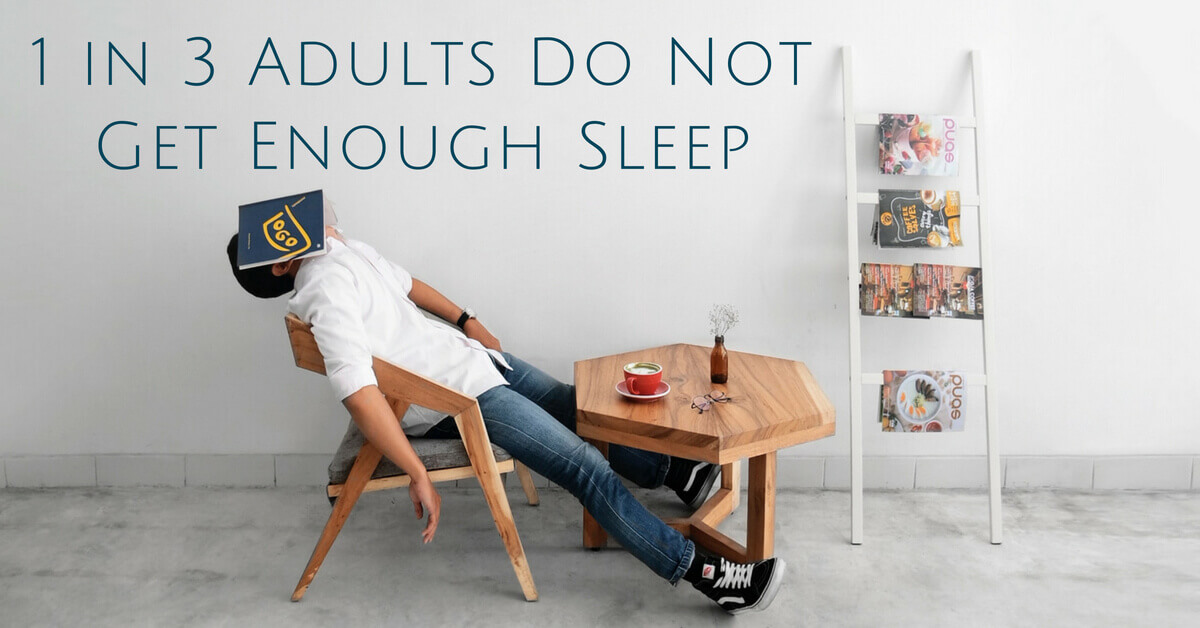
If you’re consistently sleeping less than 7 hours per night, then you’re far more likely to experience negative health outcomes such as mental distress, anxiety, depression, inability to concentrate, obesity, diabetes, high blood pressure, heart disease, stroke, and other chronic conditions. Your quality of life will suffer, and your immune system will be weakened. Not only that, but researchers estimate that over 200,000 people are injured on the job each year from issues related to lack of sleep and lowered awareness.
[/cs_text][x_custom_headline level=”h2″ looks_like=”h4″ accent=”false”]Why Aren’t You Sleeping?[/x_custom_headline][cs_text]The study that found that 1 in 3 Americans don’t sleep enough used data collected from the 2014 Behavioral Risk Factor Surveillance System, a phone survey that asked over 400,000 Americans questions about their overall health and lifestyle. Based on their findings, the CDC has called the lack of adequate sleep plaguing adults a public health concern, and urges Americans to take sleeping seriously. “People just aren’t putting sleep on the top of their priority list,” says Anne Wheaton, an epidemiologist at the CDC. “They know they should eat right, get exercise, and quit smoking, but sleep just isn’t at the top of their board. And maybe they aren’t aware of the impact sleep can have on your health. It doesn’t just make you sleepy, but it can also affect your health and safety.”
Another reason for this nationwide sleeplessness are jobs that require people to work during the night. Shift workers at hospitals, warehouses, or emergency response services often experience disrupted sleep patterns, have difficulty sleeping during the day, and face chronic sleep deprivation.[/cs_text][x_custom_headline level=”h2″ looks_like=”h4″ accent=”false”]What Can You Do to Sleep Better?[/x_custom_headline][cs_text]“As a nation we are not getting enough sleep,” says Wayne Giles, director of CDC’s Division of Population Health. “Lifestyle changes such as going to bed at the same time each night; rising at the same time each morning; and turning off or removing televisions, computers, mobile devices from the bedroom, can help people get the healthy sleep they need.” Married people also reported better sleep than single people, likely due to developing a more consistent routine. Many people try vitamins or supplements to help them sleep better, or turn to prescription and non-prescription drugs to get enough sleep.
If you want to sleep better, then make sleep a priority. Set a regular bed time, and go to bed and get up at consistent times, giving yourself at least 7 hours of sleep. Make sure your room is quiet and a comfortable temperature. It’s much easier to sleep in the dark, so use dark curtains on the windows during the summer or if you need to sleep during the day. Keep your room reserved for sleeping, and avoid watching TV or using electronics in your room. Turn off your TV or computer a few minutes before bed, and put a filter on your phone to remove the blue light tones that inhibit sleep.
What you eat can also be affecting your sleep, and it’s recommended to avoid large meals just before bed, as well as staying away from caffeinated drinks in the evening. Try a few gentle stretches before bed, or practice meditation for 10 minutes.[/cs_text][x_custom_headline level=”h2″ looks_like=”h4″ accent=”false”]Sound Sleep Medical[/x_custom_headline][cs_text]Are you sleeping less than 7 hours a night and feeling concerned about your sleep habits? If you’ve tried these tips but nothing is helping you sleep better, visit us at Sound Sleep Medical where our dedicated team will assess your sleep patterns, look for sleep-related problems such as sleep apnea or snoring, and provide you with more tips on getting a good night’s sleep.[/cs_text][/cs_element_column][/cs_element_row][/cs_element_section][/cs_content]