Sleep apnea can make it difficult to get a good night’s sleep. You may wake up repeatedly throughout the night, leaving you feeling tired and unrested. Along with good sleep hygiene, the right pillow can help manage sleep apnea symptoms and improve the quality of your rest.
Can a Pillow Really Make a Difference?
If you have sleep apnea, you may wake up gasping for air or start your day with a headache or dry mouth. Daytime fatigue, drowsiness, and irritability are common. Along with a Continuous Positive Airway Pressure (CPAP) machine, a supportive pillow can make a significant difference. The right pillow can improve comfort, support your head and neck, and help keep your airway open for easier breathing.
Ergonomic Design
Everyone’s ideal pillow is different, but ergonomic design is key. A good pillow supports your head, neck, and shoulders, allowing muscles to relax while keeping your airway open. Your sleeping position, body type, and personal comfort will determine which pillow works best for you.
If you sleep on your back, you may need less support to maintain spinal alignment. Side sleepers usually need extra neck and shoulder support. Consider pillows with additional cushioning or wedge pillows, which are higher on one side and can help reduce snoring and acid reflux.
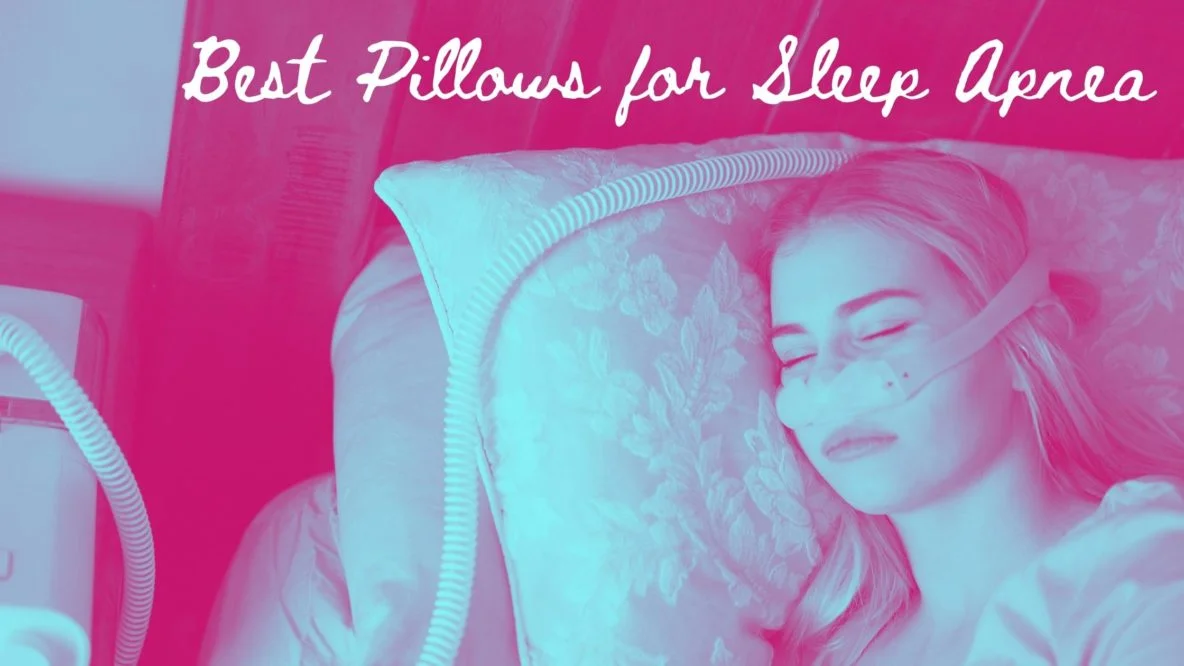
For CPAP users, some pillows have cutouts to accommodate the mask and keep it in place, preventing pressure on your face or nose during movement.
Pillow Height
Finding the right pillow height is important. Consider:
- Sleep position: Side sleepers usually need higher pillows, while stomach sleepers prefer lower ones.
- Body shape: Broad shoulders require higher pillows for optimal support; narrow shoulders benefit from lower pillows.
- Sleep apnea symptoms: If you snore loudly or experience acid reflux, a higher pillow can help realign your neck and minimize symptoms.
You might also explore additional supports, such as side bolsters to prevent rolling or pillows with varied heights for different positions.
Choosing the Right Material
Pillows come in many shapes, sizes, and materials. Avoid pillows that are too hard, which can cause neck and shoulder pain, or too soft, which may worsen snoring and sleep apnea. Memory foam is often ideal because it conforms to your sleeping position while relieving pressure on your shoulders and spine. Keep in mind, memory foam is less breathable and may cause night sweats.
Sound Sleep Medical
Choosing the right pillow can help align your head, neck, and shoulders, keeping your airway open and improving sleep apnea symptoms. The right pillow can also minimize movement at night, making CPAP therapy more comfortable.
Visit Sound Sleep Medical for personalized guidance on selecting the best pillow and learning more about sleep hygiene for managing sleep apnea.