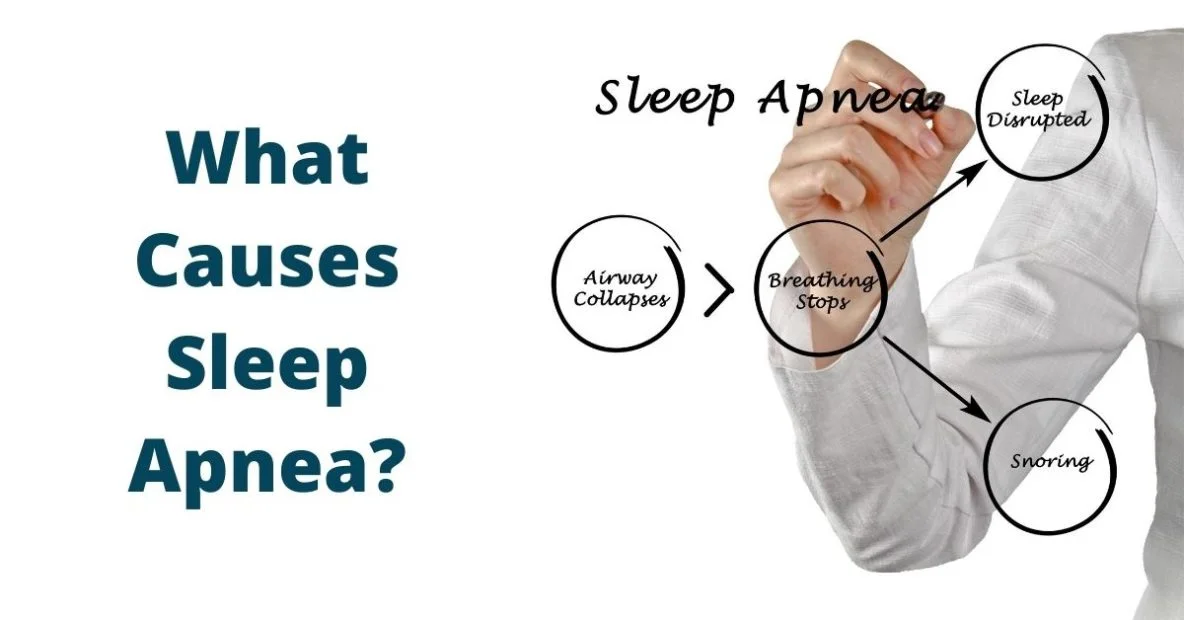
Sleep apnea affects millions of Americans, causing trouble sleeping, daytime drowsiness, and fatigue. It’s a serious condition that can make breathing difficult during the night, sometimes blocking airflow completely. Sleep apnea not only disrupts sleep but also contributes to other negative health outcomes. Here’s what you need to know about the types and causes of sleep apnea.
Three Types of Sleep Apnea
There are three main types of sleep apnea that affect nighttime breathing:
- Obstructive sleep apnea: The most common type. Muscles in the back of the throat relax, blocking airflow and preventing proper breathing.
- Central sleep apnea: Less common and caused by the brain failing to properly regulate breathing muscles, leading to shallow, slow, or paused breathing.
- Mixed sleep apnea: A combination of obstructive and central sleep apnea, featuring both airway blockage and irregular brain signals for breathing.
Recognizing the Symptoms of Sleep Apnea
Sleep apnea symptoms may include:
- Loud snoring
- Choking sensations during sleep
- Pauses in breathing followed by gasping
- Labored breathing
- Dry mouth upon waking
- Morning headaches
- Daytime fatigue
- Difficulty concentrating
- Irritability
Because sleep apnea disrupts sleep without you fully waking, you may not notice all symptoms. Ask a partner if they notice snoring, choking, or pauses in your breathing.
Causes of Obstructive Sleep Apnea
Obstructive sleep apnea occurs when the tongue, throat, or neck muscles relax during sleep, narrowing or blocking the airway. Breathing can stop for several seconds, prompting the brain to briefly wake you so muscles tighten and airflow resumes. This may happen dozens of times per hour, disrupting deep, restful sleep.
Causes of Central Sleep Apnea
Central sleep apnea is caused by the brain failing to regulate breathing. It can lead to shallow, slow breathing or pauses in breathing. Often linked to other health conditions—such as stroke, brain injury, tumors, or certain medications—central sleep apnea reduces oxygen levels and can affect overall health.
Risk Factors for Sleep Apnea
Several factors increase the risk of developing sleep apnea, including:
- Narrow airway or enlarged tonsils
- Chronic nasal congestion
- Asthma or other breathing issues
- Smoking
- Obesity, especially with fat deposits around the upper airway
- Diabetes
- High blood pressure
- Sleeping on your back
These are some of the most common risk factors for sleep apnea. To learn more about sleep apnea types, causes, and treatment options, visit Sound Sleep Medical. You can take a sleep test to see if you have sleep apnea and explore ways to get the restorative sleep you need.